§ Forensic · Evidence-grade

Forensic eDiscovery, because the process is the evidence.

Our eDiscovery practice was built by digital forensic examiners. Every collection is hash-verified, every workflow is documented, and every senior practitioner is qualified to give evidence on how the work was done.
Discipline
Digital forensics
Standards
ACPO
Expert reports
CPR Part 35
Tooling
EnCase · FTK · Cellebrite
Ref · E-D · 2026 · §FRNClass · ConfidentialJuris · England & WalesStatus · Active
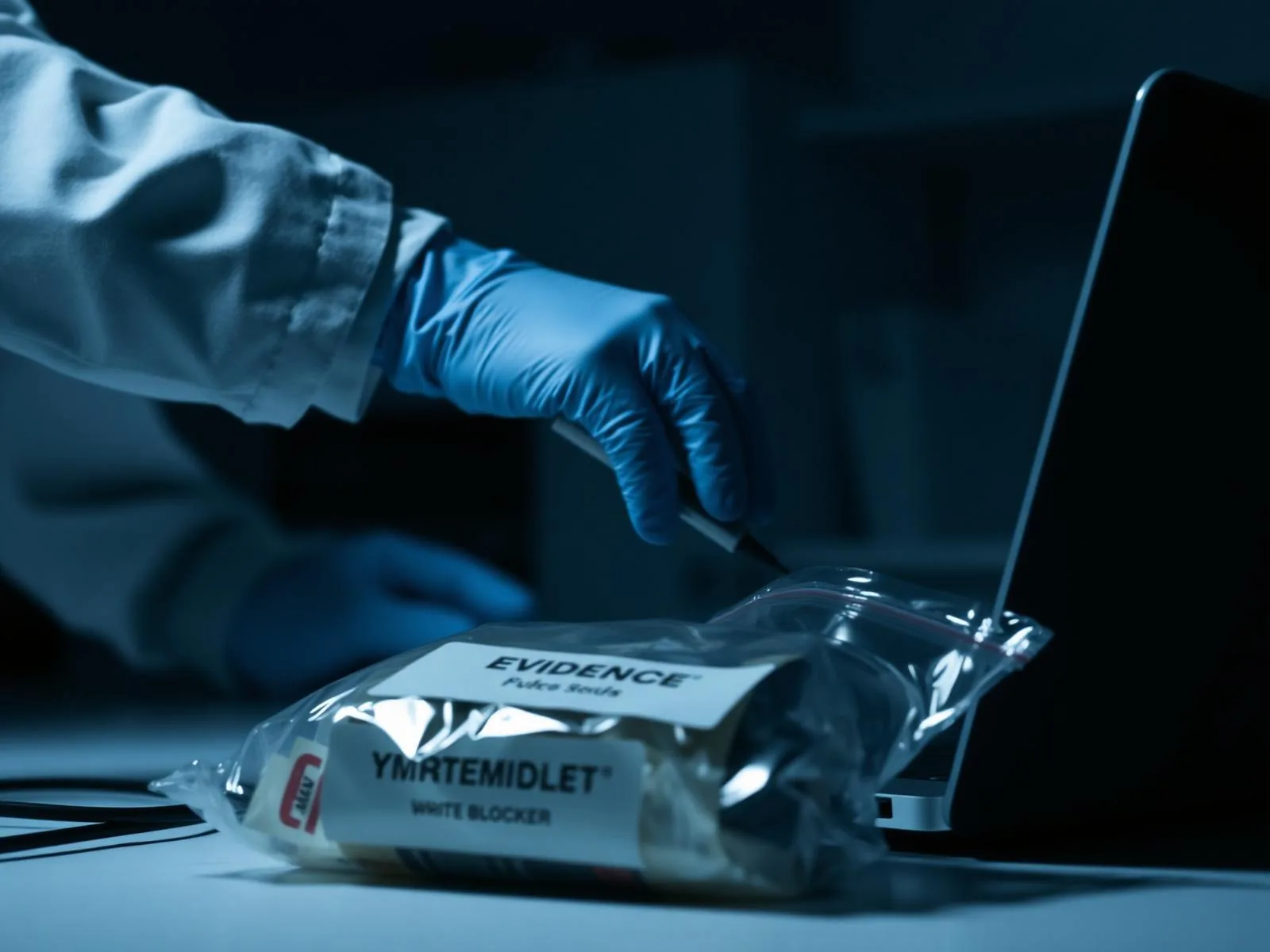
Precision instruments symbolising forensic-led eDiscovery methodologyPlate · Forensic
Plate · Plate · ForensicThe process is the evidence.
§ 01 · Audience

Who this page is for.

Counsel and in-house teams who have learned - usually the hard way - that the way evidence is collected determines what can later be argued with it. If your last matter turned on the collection methodology, this page describes the alternative.

  • Litigation counsel

    Preparing for disclosure where the process itself may be tested.

  • Investigations teams

    Handling suspected fraud, data theft or misconduct by senior custodians.

  • Incident response leads

    Coordinating cyber incident handling with downstream litigation and regulatory response.

  • Regulators

    Needing an independent forensic third party for statutory investigations.

§ 02 · The problem

What forensic discipline exists to prevent.

Every failure mode below has been the deciding point in real cases we've been brought into after the fact.

Risk
Collection short-cuts

Copy-paste from a live mailbox, drag-and-drop from a laptop, or an IT-led PST export destroys metadata and message integrity. It cannot be undone.

Risk
No chain of custody

Evidence handled by an unbroken series of unnamed IT staff, without hash values, cannot be traced to its source when the source is challenged.

Risk
Un-qualified practitioners

A witness who cannot speak to standards, tooling and methodology under cross-examination weakens the party they act for.

Risk
Missed deleted or hidden material

Non-forensic tooling misses deleted items, shadow copies, mobile app databases and cloud audit logs - often the material the matter turns on.

§ 03 · Scope

Forensic eDiscovery, end to end.

Every phase executed by qualified practitioners.

§ 01

Forensic scoping

Custodian and source mapping done with an evidentiary lens: what can be captured, what can be preserved, what would survive challenge.

§ 02

Endpoint & server acquisition

EnCase, FTK, X-Ways. Logical or physical, live or dead. Hash-verified at acquisition.

§ 03

Mobile acquisition

Cellebrite Premium, GrayKey, Magnet AXIOM. Full file-system where permitted; logical where not.

§ 04

Cloud & collaboration

M365, Google Workspace, Slack, Teams, Box, Dropbox - captured with metadata and audit-log context preserved.

§ 05

Analysis & reconstruction

Timeline analysis, communications mapping, data-theft investigation, artefact recovery.

§ 06

Expert reporting

CPR Part 35 reports on methodology, findings and opinion, prepared by the supervising practitioner.

§ 04 · Why e‑discovery.uk

Why forensic pedigree matters.

Because we are the eDiscovery arm of a digital forensics practice - not the other way around.

Trained examiners

Every collection is done by a practitioner trained on the tools they use, not by a technician following a runbook.

Court-tested

Senior practitioners have given evidence in criminal and civil proceedings and produced Part 35 reports.

ACPO-aligned

Every acquisition follows ACPO Good Practice Guide principles for digital evidence.

Chain-of-custody by default

Signed acquisition notes, hash values and handling log on every capture.

Incident-response ready

Where a matter starts as an incident and becomes litigation, we handle both without breaking the evidence chain.

Independent

We do not act for either party on the merits. The evidence handling is neutral by design.

§ 05 · Typical matters

Typical forensic matters.

Where the forensic dimension is central.

  • Departing-employee data theft and IP misappropriation
  • Internal investigations into senior custodian conduct
  • Suspected fraud with electronic-evidence exposure
  • Cyber incidents with regulatory or litigation follow-on
  • Court-ordered search and imaging exercises
  • Cross-border investigations with UK evidence handling
  • Trade-secret disputes with technical evidence
  • Expert evidence on process for challenged disclosures
§ 06 · Deliverables

What forensic eDiscovery produces.

Evidence-grade outputs, ready for a proceeding.

  • Forensic images

    Hash-verified acquisition of the source in a preserved, portable format.

  • Chain-of-custody record

    Signed acquisition notes, hash log and handling documentation.

  • Analytical exhibits

    Timelines, communications maps and reconstructed activity records for use in evidence.

  • Expert statement

    Factual account of collection and processing methodology.

  • CPR Part 35 report

    Where an expert opinion on methodology or findings is required.

  • Trial-ready exhibits

    Referenced, paginated and cross-referenced to production bates ranges.

§ 07 · Frequently asked

Answers to the questions counsel ask most.

What makes eDiscovery 'forensic' rather than administrative?
Forensic eDiscovery treats every acquisition as potential evidence in a proceeding: it is hash-verified, documented at the point of capture, and performed by a practitioner qualified to give evidence on how it was done. Administrative 'eDiscovery' - an IT team exporting a mailbox to a PST - is not evidence-grade and rarely survives a serious challenge.
Why does the forensic distinction matter?
Because the way evidence was handled is increasingly the point in dispute. Judges, regulators and opposing parties test the collection methodology, the chain of custody and the tooling used. A forensic workflow is designed to withstand those tests; a non-forensic workflow is not.
Are your practitioners qualified to give evidence?
Yes. Our senior examiners have given evidence in criminal and civil proceedings and are experienced in preparing CPR Part 35-compliant expert reports on collection, processing and analysis methodology.
What tooling do you use for forensic acquisition?
EnCase, FTK, X-Ways and Magnet AXIOM for endpoints and servers; Cellebrite and GrayKey for mobile; native forensic connectors for M365, Google Workspace, Slack and Teams. Tool choice is driven by defensibility, not by a single-vendor relationship.
How does a forensic collection differ from an IT-led export?
A forensic collection captures the source in a manner that preserves metadata, message-thread integrity and - where relevant - deleted-item recovery, generates a hash value at acquisition, and documents who did what, when, on which system. An IT export usually does none of these.
Do you handle covert or supervised collections?
Yes. Suspected data theft by a departing employee, an internal investigation into a senior custodian, or a search order at a residential address all call for a covert or supervised approach. We plan the operation with counsel in advance and execute it under legal privilege where the retainer allows.
Can you assist with analysis, not just collection?
Yes. Beyond collection we handle keyword and analytics-led review, timeline reconstruction, communications analysis, data theft investigation and preparation of technical exhibits for court or tribunal use.
How do forensic eDiscovery and cyber incident response overlap?
Significantly. A ransomware, business email compromise or insider-threat event usually produces both an incident response requirement and a subsequent litigation, regulator or insurance workstream. Handling both with a single forensic-led team preserves the evidence chain that later matters depend on.
Instruct the practice

Bring us in early. Defensibility is built, not retrofitted.

Whether you are responding to a regulator, preparing for disclosure, or scoping an internal investigation, start the chain of custody with a short, confidential conversation.

WhatsApp