
What chain of custody means
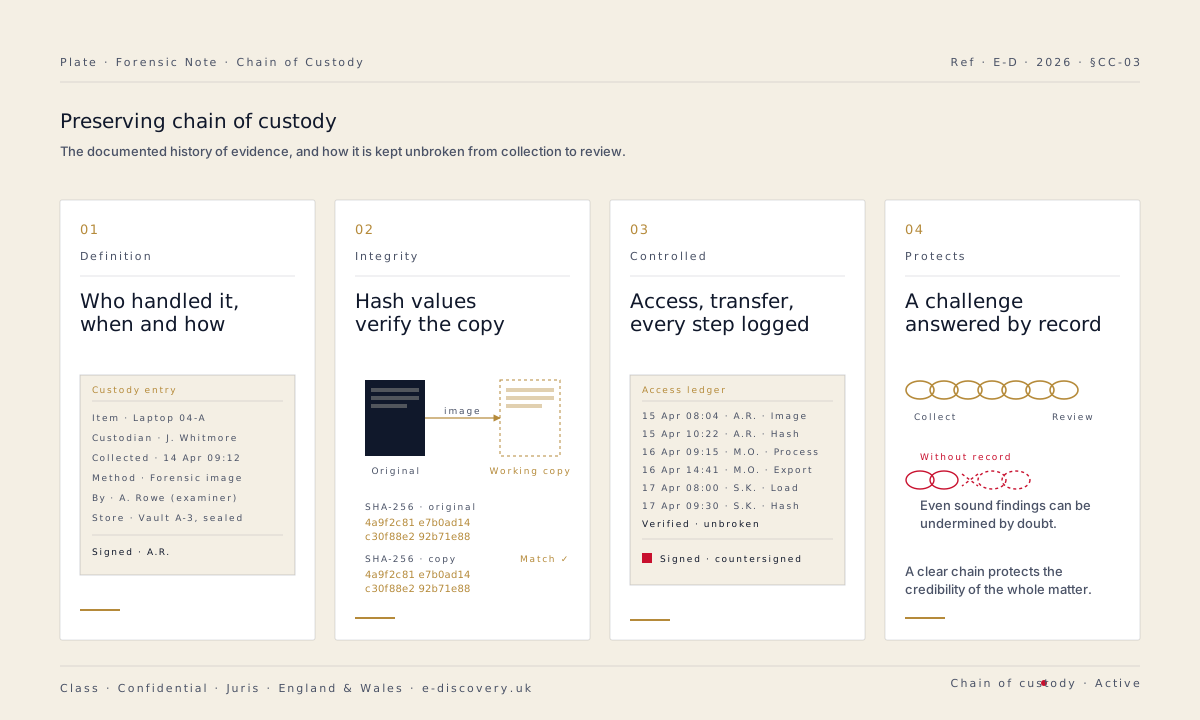
Chain of custody is the documented history of evidence, what was collected, when, by whom, and how it was stored and handled. It allows anyone reviewing the matter to see that the evidence has been controlled and has not been altered or substituted.
In a corporate investigation that may later involve regulators, litigation or disciplinary action, that documented history can be as important as the evidence itself.
How it is maintained
Maintaining chain of custody involves recording each collection, calculating hash values so integrity can be verified, controlling access to the data, and documenting any transfer or processing step. The result is an unbroken, auditable record from collection to review.
Hash verification is central: it provides a mathematical check that data has not changed since collection.
Why it protects the investigation
If the integrity of evidence is challenged, a clear chain of custody answers the challenge. Without it, even sound findings can be undermined by doubt about how the evidence was handled. Good chain-of-custody practice protects the credibility of the whole investigation.
Key takeaways
- Chain of custody is the documented history of evidence handling.
- It is maintained through collection records, hash values and access control.
- Hash verification provides a check that data has not changed.
- A clear chain of custody protects findings from integrity challenges.
Frequently asked questions
Why does chain of custody matter if the findings are clear?
Because clear findings can still be undermined by doubt about how evidence was handled. Chain of custody removes that doubt.
What is a hash value?
A calculated fingerprint of data. If the data changes, the hash changes, so it confirms integrity over time.
Who can access collected evidence?
Access is controlled and recorded, so the handling history stays complete and auditable.
Discuss your matter in confidence
Speak to an eDiscovery specialist about forensic collection, processing and review support for your case.
Request a Confidential Consultation